Secure access to (critical) raw materials is a key prerequisite for the decarbonisation, competitiveness and resilience of European industry, while at the same time the high dependence on imported primary raw materials poses a structural risk. The European Commission's Clean Industrial Deal combines raw material security and the circular economy into a comprehensive industrial and raw materials strategy with the aim of reducing dependencies, securing value creation in the EU and supporting industrial transformation in a sustainable manner. The circular economy is recognised in the Clean Industrial Deal as a strategic lever for strengthening raw material security. More efficient use of resources, extended product life cycles and increased reuse and recycling are intended to reduce the demand for primary raw materials and increase security of supply within the internal market. The circular economy is thus understood not only as an environmental and climate protection instrument, but also explicitly as a contribution to industrial resilience. To implement this strategy, the Commission intends to present a Circular Economy Act in the third quarter of 2026, which aims to systematically strengthen the use, reuse and recovery of scarce and strategically important materials. We want to discuss with high-ranking representatives of the European Commission, industry, the recycling sector and a Member of the European Parliament how the Circular Economy Act should be designed in order to create the necessary legal framework for achieving the strategic goals that have been set and actually creating a circular economy that contributes to value creation in the EU and to the EU's security of raw materials.
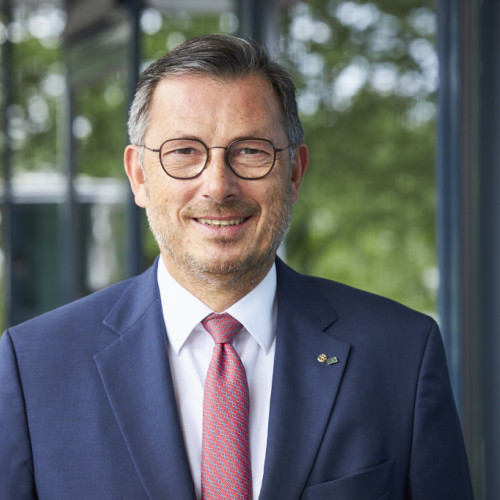
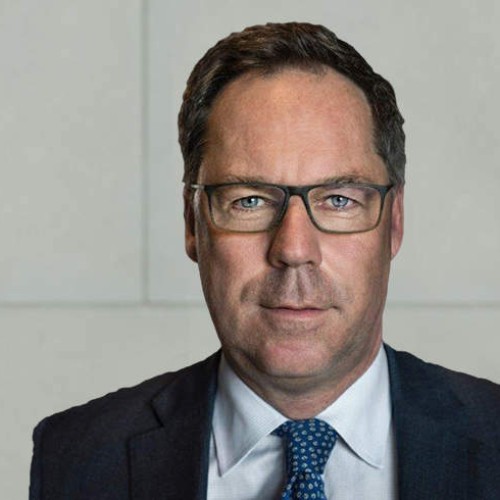
Speakers:
- Aurel Ciobanu-Dordea, Director, DG Environment, European Commission
- Herwart Wilms, President, FEAD e. V.
- Holger Lösch, Deputy Director General, BDI e. V.